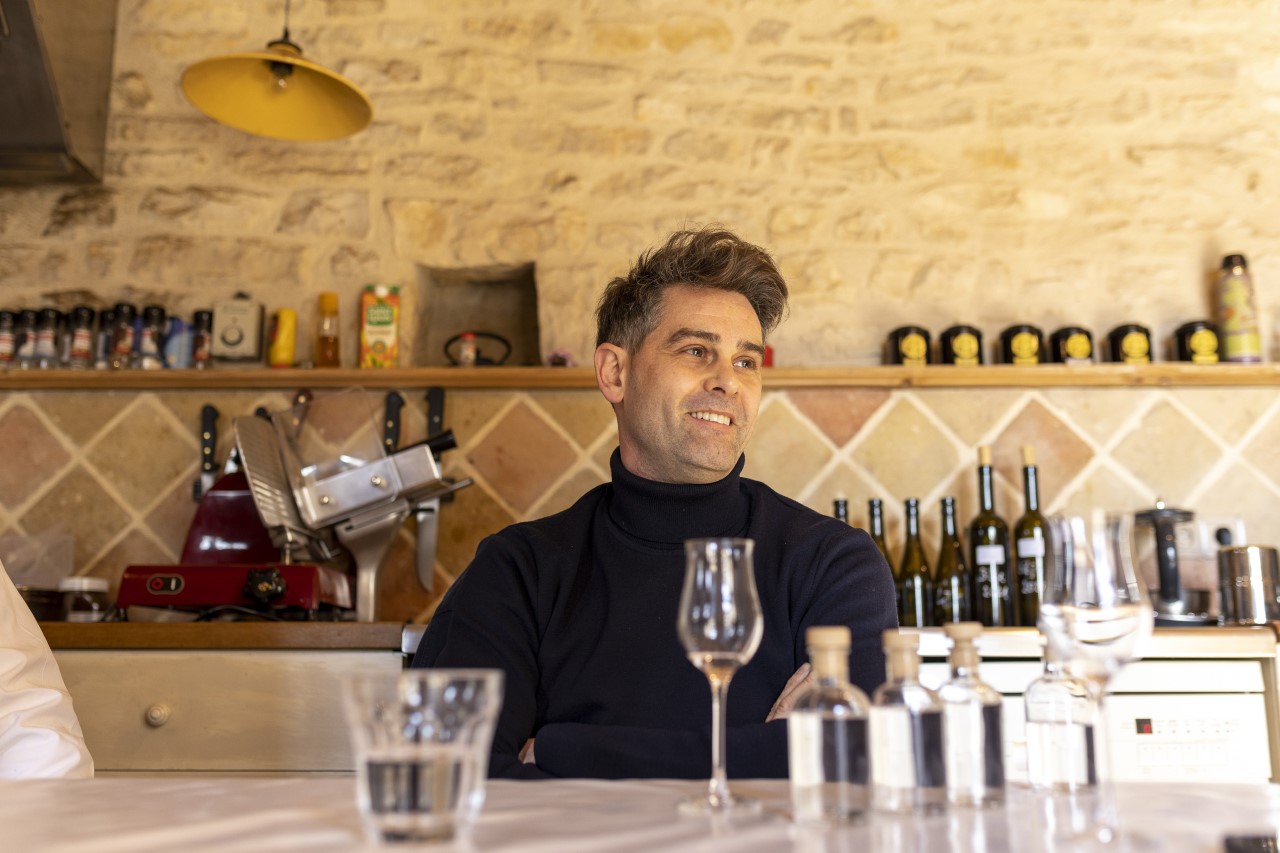
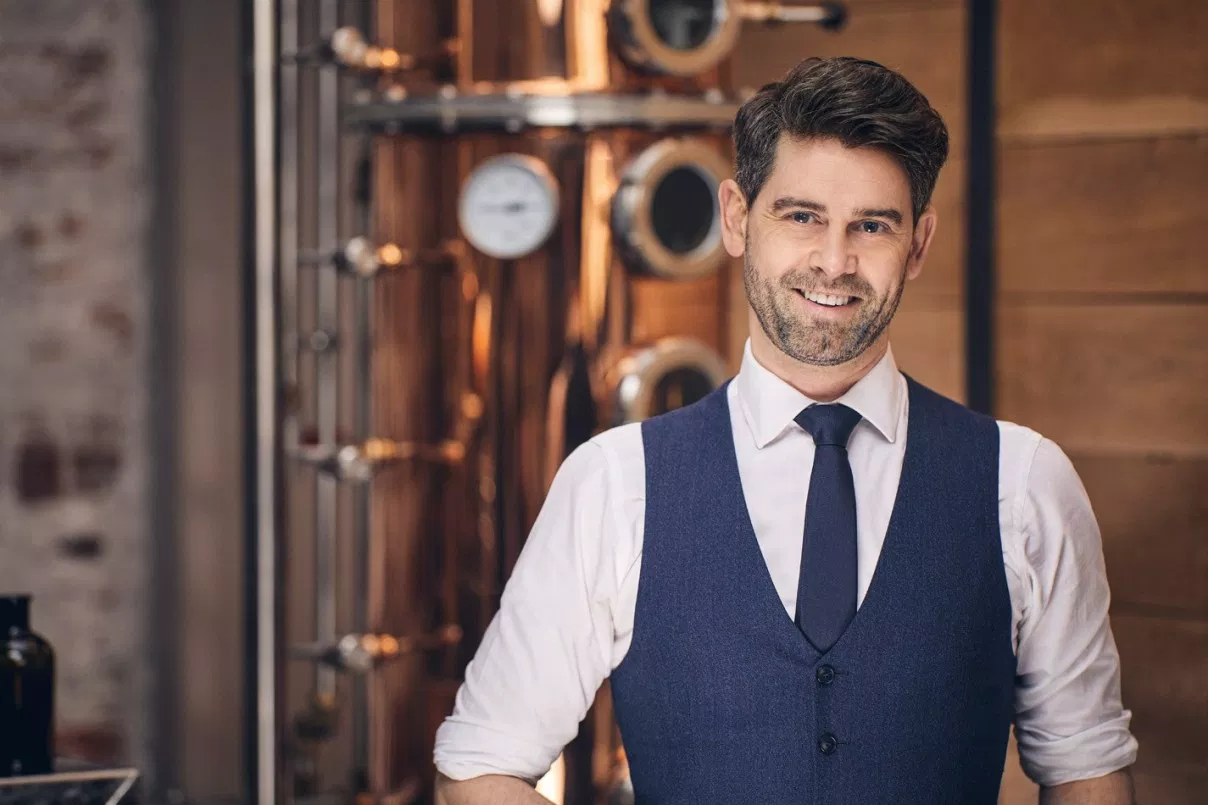
My passion is introducing wine lovers to undiscovered treasures. I feel invigorated when communicating about wine. So far, I have worked with the Japanese importer, collaborated with the wineries across Europe and pursued my own projects such as writing books, giving classes, producing events and performing on radio. Since 2020 I have enjoyed myself as a creative director of DISTILLERIE DE PARIS, the haute couture distiller in Paris, and BODEGASXIMÉNEZ-SPÍNOLA, Royal Warrant holder in Spain. I hope to continue telling stories behind each fascinating bottle.
If you’ll allow me, I’d love to exhilarate your palate and make you a little bit happier through wine. I am involved.
I have a love for everything I do.
***
What is a wine buyer?
If you are an inquisitive wine drinker, you might want to know what village the wine came from, what soil types the vine grew on and how long the wine was aged. But few ever think about how the bottle got to your hand from wineries in faraway lands….
In its most glamorous form, the profession of wine buyer appears to be an enviable one: travel to exotic foreign climes, copious amounts of ‘research’ involving fine wine and food, and the power to decide what wines should be offered to an unsuspecting population.
The reality is somewhat more prosaic – and, invariably, it’s challenging work. Kayo Kono, a professional buyer with over twenty years of experience for the wine importer in Japan, has a lengthy list of responsibilities that extends well beyond sourcing, pricing and tracking wine purchases; she also plans, coordinates and communicates wine promotions, handles in-house wine education, masterclass for clients and cultivates relationships with suppliers, industry partners and consumers.
As the breadth of those responsibilities suggests, being a wine buyer demands a range of skills, from the ability to negotiate to a sound technical knowledge of wine. A ‘strong and deep’ understanding of market drivers, trends and influences, as well as excellent organizational skills, leadership qualities, confidence and having an engaging and persuasive personality are personal attributes highly required.
The Birth of a Sensibility — A Journey from Childhood to the Distillery
From a young age, I was deeply drawn to the moments when flavors, aromas, and raw materials begin to transform. One of my most vivid memories is making goat cheese with my grandmother. From milking to coagulation, and then to aging—the way the milk slowly changed its form fascinated me endlessly. There was a kind of alchemy in that transformation: simple ingredients, guided by time, microorganisms, and human hands, unfolding into an unexpectedly rich world. I was captivated by that mystery.
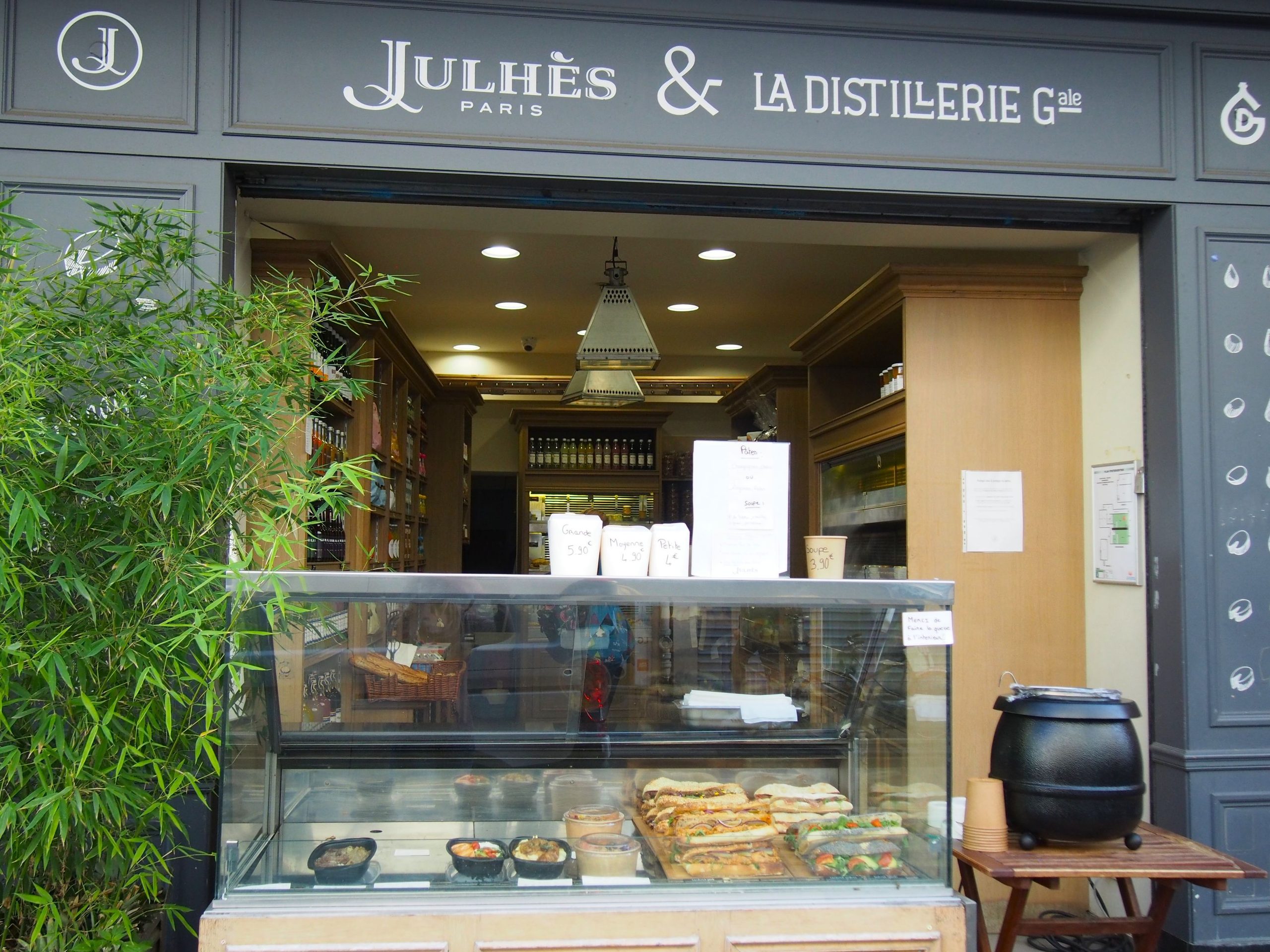
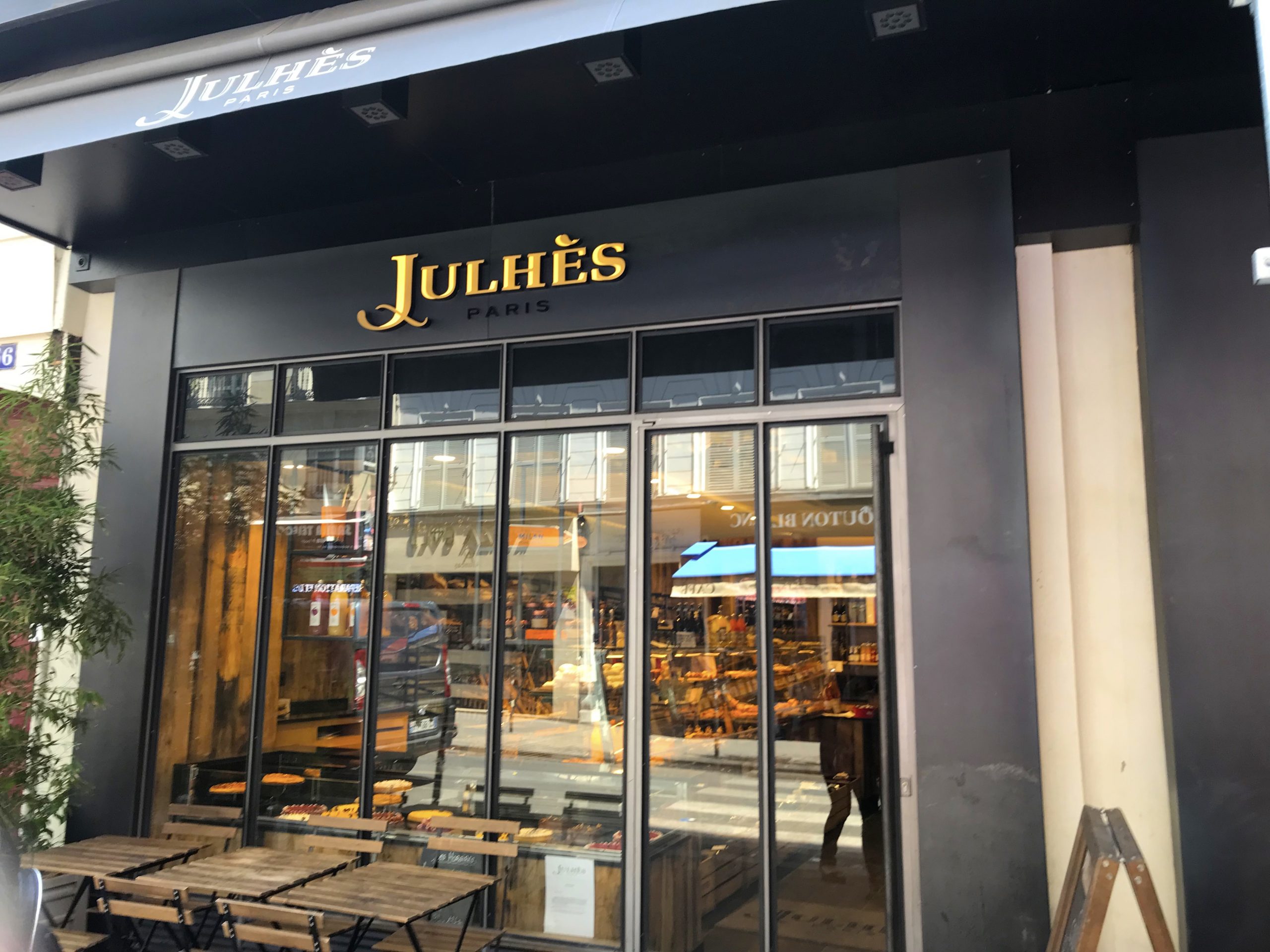
This feeling stayed with me when my family launched Julhès Paris in 1996. Working closely with artisans and producers taught me that exceptional food and drink are born from a profound understanding of how ingredients evolve. And when I encountered the world of distillation, it felt as though I had finally found the “language” I had been searching for—a way to express emotions and a worldview through taste. A new path opened before me.
Once distillation captured my imagination, I devoted countless hours to learning its depths. I was fortunate to work with Diageo, traveling the world, visiting distilleries, and immersing myself in the history shaped by great creators. Charles Tanqueray, Alexander Walker, Alexander Cowie, Lorena Vásquez—their styles and identities left a lasting imprint on me.
Around the same time, creativity in gastronomy was flourishing. Chefs were rediscovering techniques, textures, and the very notion of experience, boldly reconstructing them to expand the possibilities of cuisine. It made me think: distillation deserves the same freedom. I began to sense a vast territory where science, perfumery, cuisine, and design intersect.
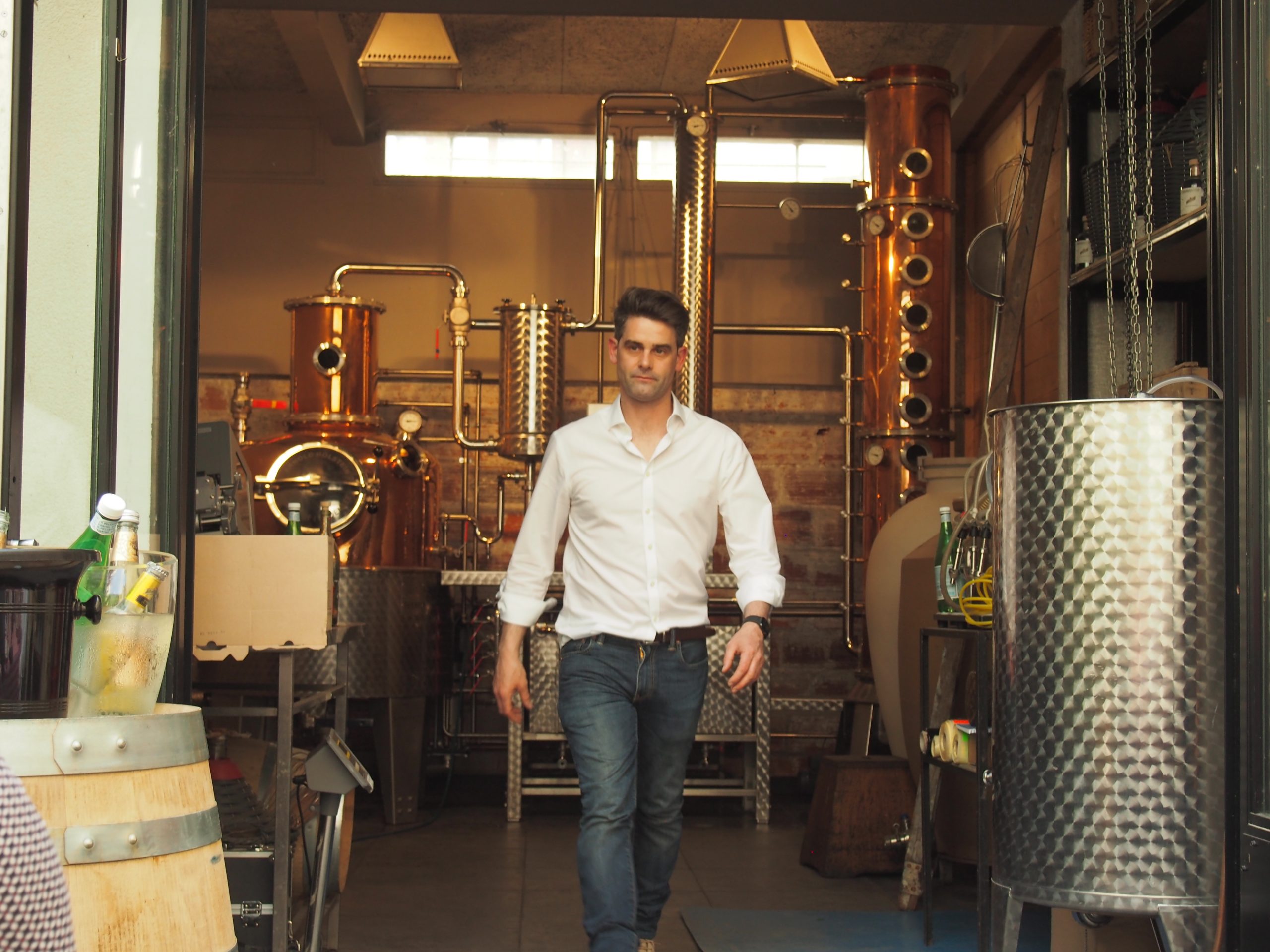
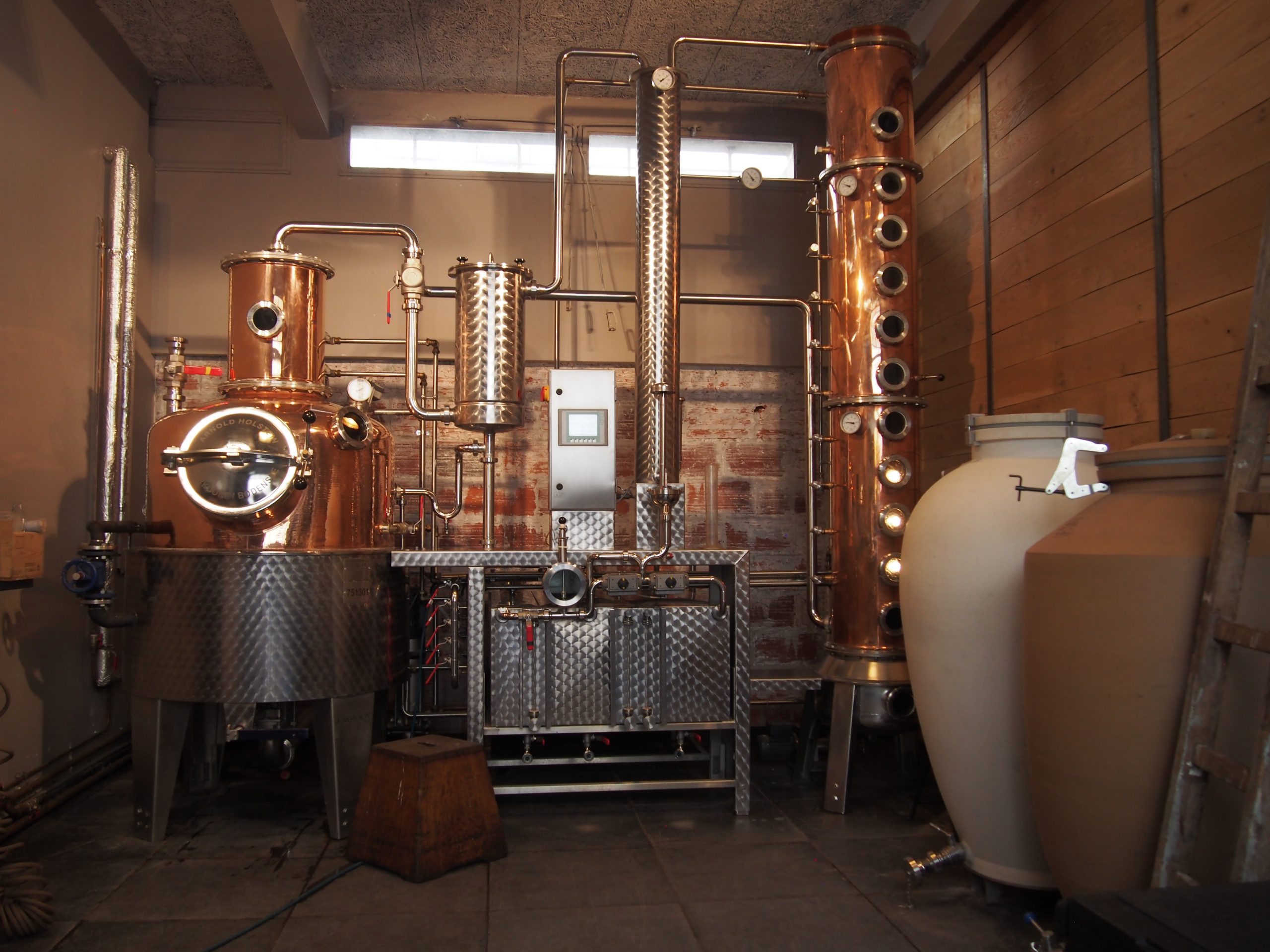
This is how the idea for Distillerie de Paris emerged—as a laboratory dedicated to exploring the aesthetics of taste. Technique exists to serve ideas. And Paris, a city where art, design, fashion, perfumery, and gastronomy are in constant dialogue, was the only place that felt truly right for such a vision.
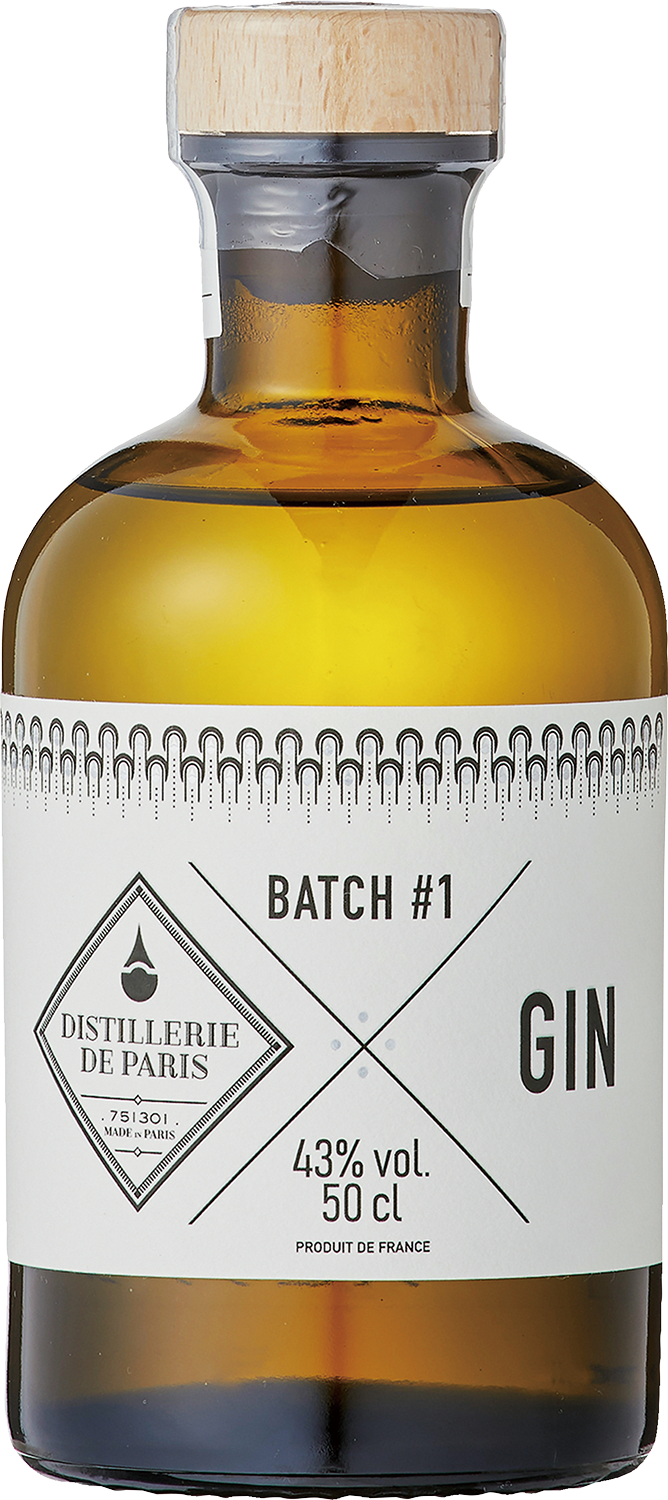
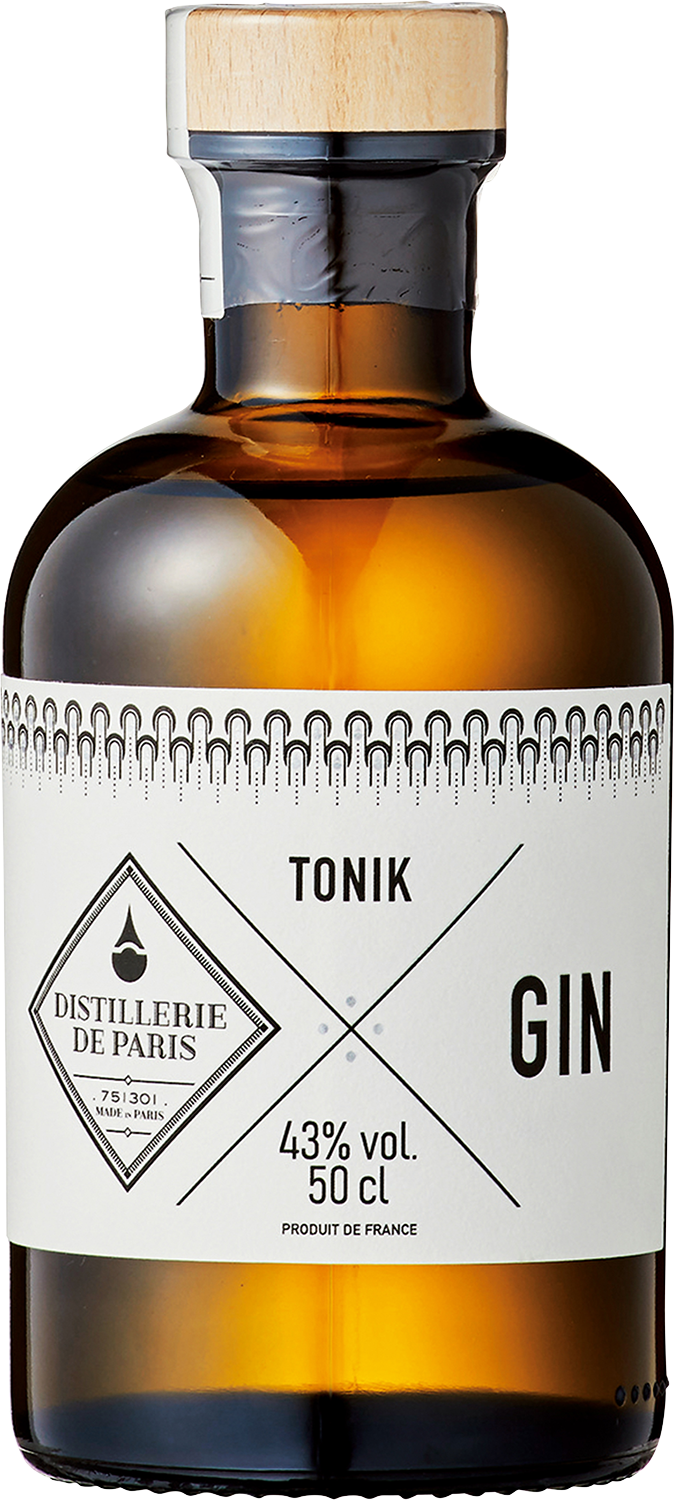
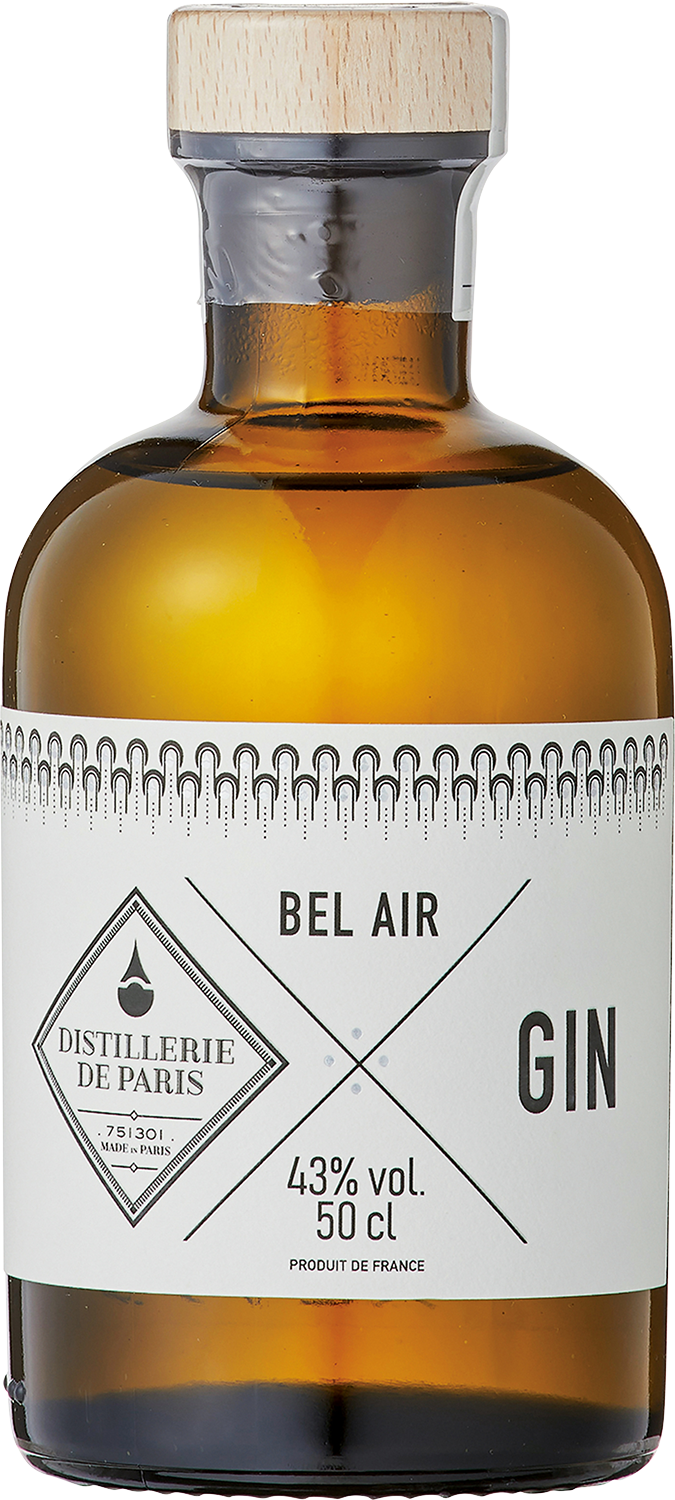
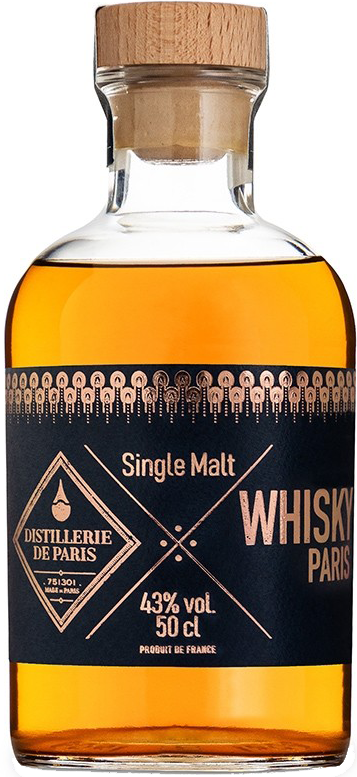
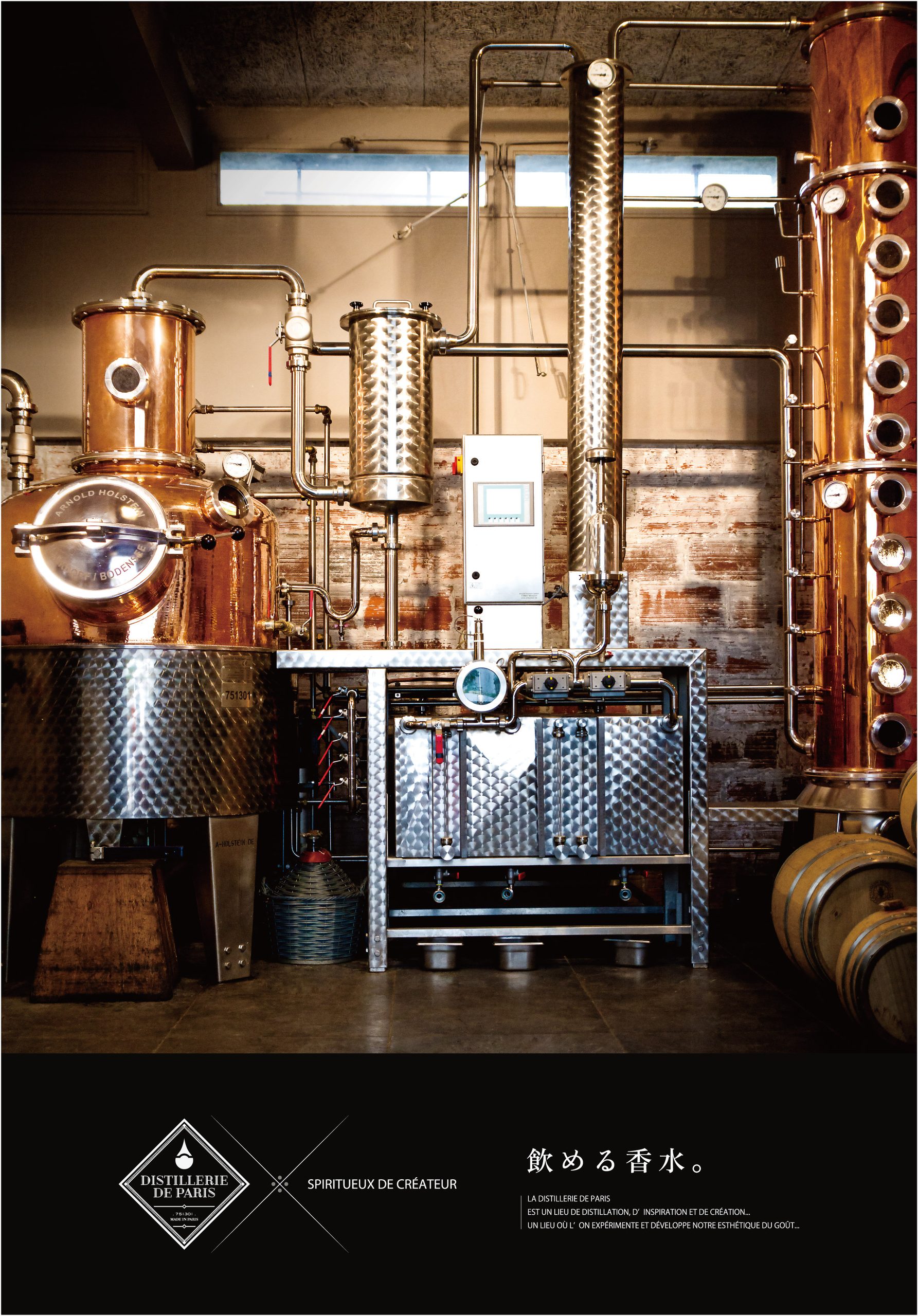
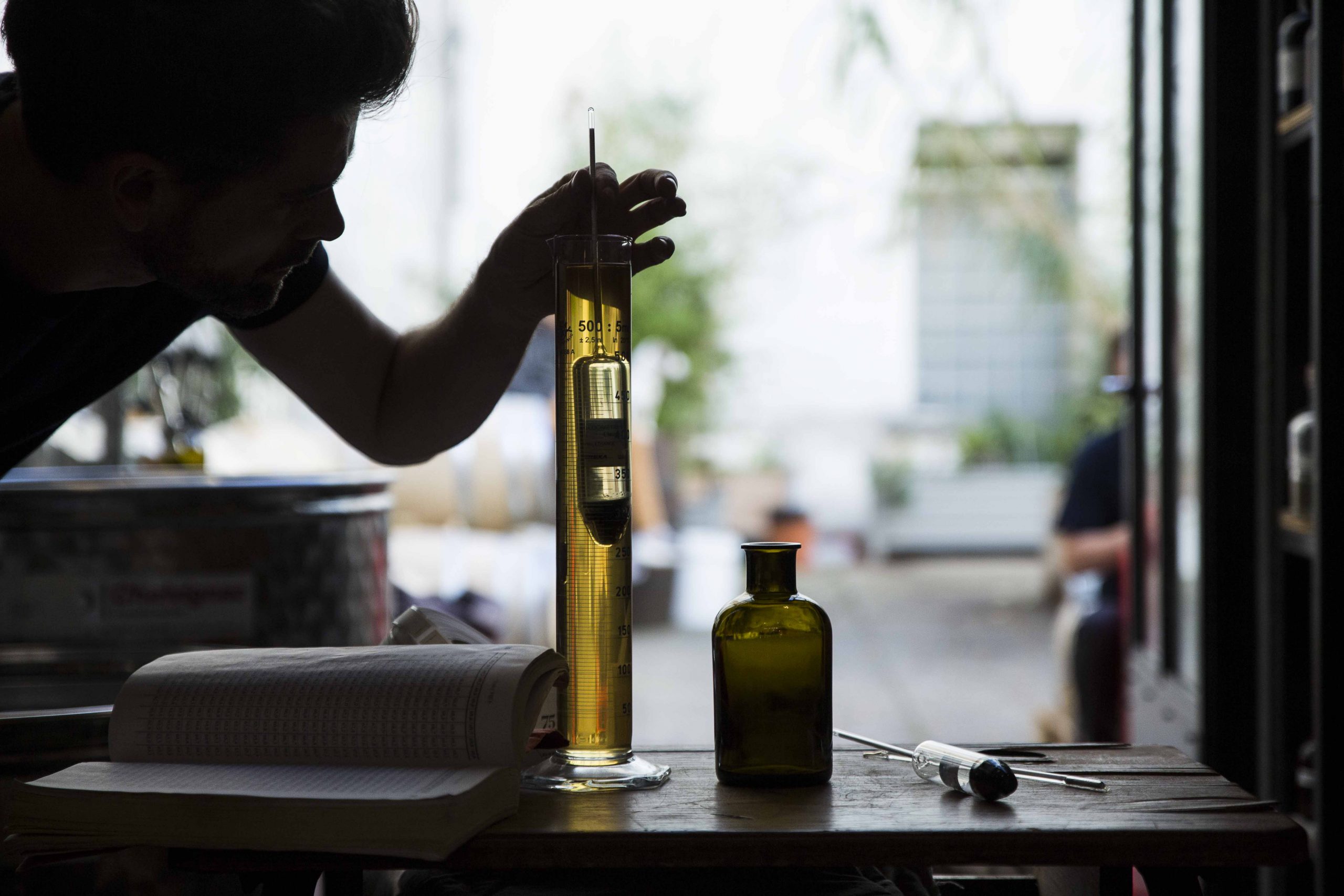
Distillerie de Paris is the only urban distillery in Paris, born from the sensibility and relentless curiosity of its founder, Nicolas Julhès. His fascination with the transformative power of ingredients began in childhood, nurtured by experiences that revealed the magic of raw materials changing form. Combined with the expertise in ingredient selection he acquired through his family’s gourmet food business, JULHÈS, the technical knowledge he gained in the world of spirits, and the inspiration he drew from gastronomy and perfumery, these influences ultimately led him to establish his own distillery in 2015, dedicated to the pursuit of the aesthetics of taste.
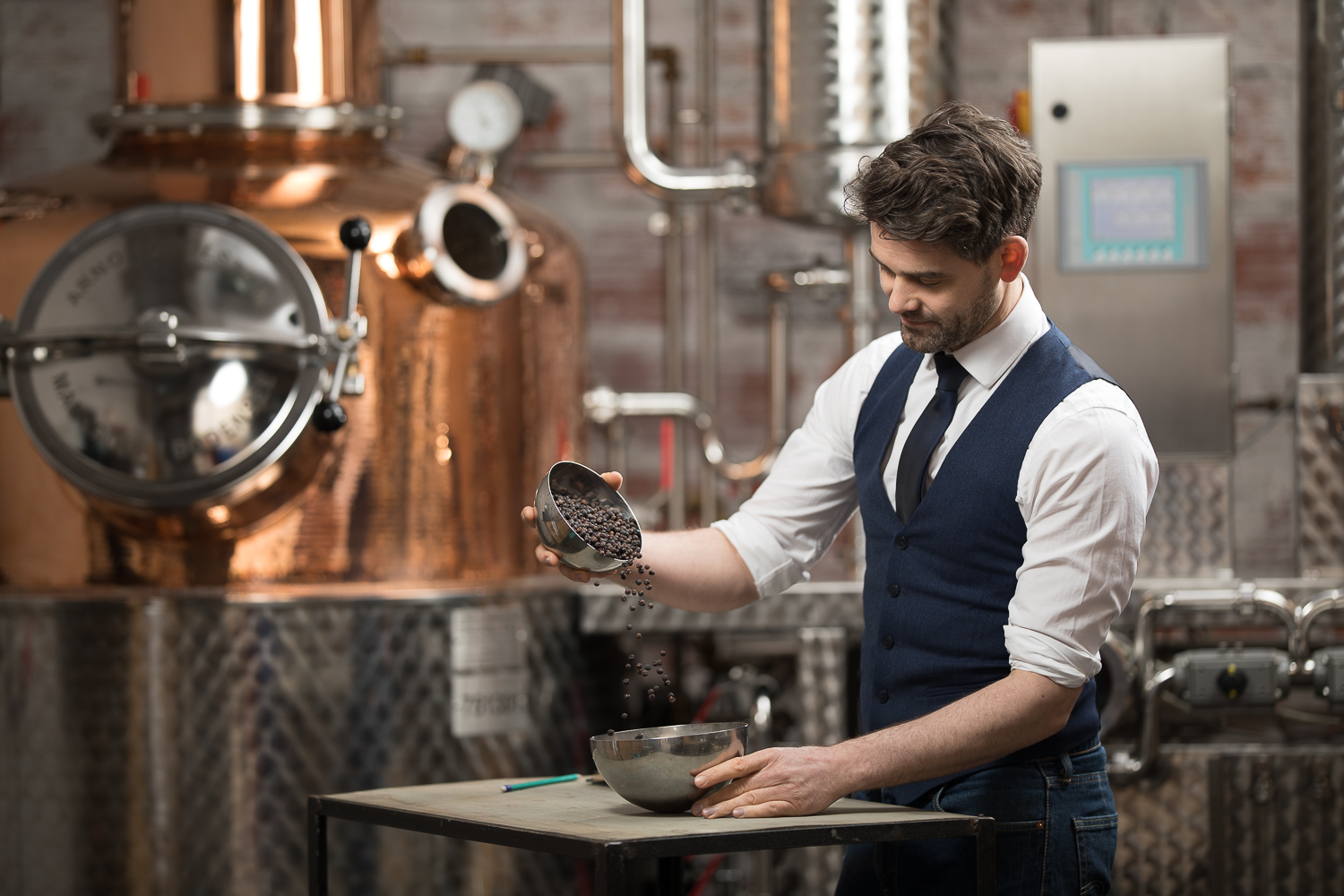
Among all spirits, gin is the one that inspires Nicolas most deeply. His approach to creation, combining countless botanicals including flowers, roots, fruits, and citrus, while carefully designing the architecture of aroma, resembles that of a master perfumer. His standards for ingredient freshness and harvesting conditions are uncompromising. Only natural raw materials of Grand Cru caliber, with clearly identifiable terroirs, are selected. The resulting gins belong to the realm of Haute Parfumerie, the highest expression of perfume artistry.
For Nicolas, gin is “a liquid that is both free and yet the most challenging form of design.” Through the art of distillation, he transforms emotions and landscapes into an architecture of scent.
Japan has also profoundly influenced his vision. From the quiet elegance of Japanese whisky and the ingredient-driven craftsmanship of sake to the meticulous work of Japanese artisans, his experiences in Japan since 2017 have significantly shaped his creative philosophy. As he explains, “Texture, tension, and lingering resonance. There is a beauty that cannot be expressed through aroma alone.”
What began as Distillerie de Paris, a place dedicated to research and creation in pursuit of the aesthetics of taste, is now evolving into an academy where future creators can learn, experiment, and discover their own creative language.
Within every bottle resides an idea, an emotion, and a quiet dialogue that connects Paris with the wider world.
A special edition that expresses “Japan as seen by a Parisian,” built upon the unique framework of Genmaicha—a rare creation in the world’s tea cultures that combines roasted grains with green tea.
Though France and Japan may seem fundamentally different, they are united by a deep reverence for craftsmanship, haute couture, and the relentless pursuit of beauty. Inspired by the dual energies embodied in Yin and Yang and expressed through the passage of the seasons, this series explores the creative tension between opposites.
Where cultures intersect and perspectives converge, a new expression emerges: one that captures the true spirit of Distillerie de Paris.
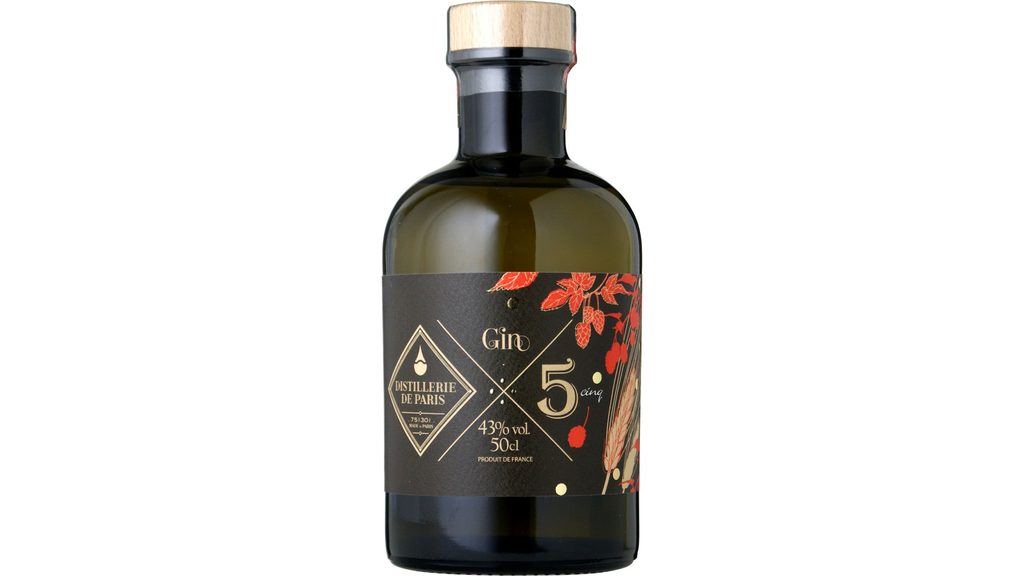
PARIS GIN inspired by the frame of Japanese Genmaicha
Our new brand gin, 5‑CINQ, was created especially for our Japanese customer base and inspired by Genmaicha. Across many cultures, the pleasure of tasting tea with its pleasant, roasted aroma has long fascinated me, and the unique combination of two key elements—green tea and roasted rice—became the foundation of 5‑CINQ.
DICHOTOMY The uniqueness of our 5‑CINQ gin lies in the combination of these two contrasting flavours, although using Genmaicha itself as an ingredient is by no means an easy task. This gin embodies the dichotomy of nature. The fresh, grassy aroma of green tea is expressed through botanicals such as hemp, hops, and raspberry leaves, while the intense aroma and dry character of roasted rice are achieved by drawing out flavours from toasted barley. The key to bridging these contrasting elements is the use of flowers and spices.
THE CONTRAST OF THE FOUR SEASONS The Japanese are particularly sensitive to the aesthetic changes in nature and enjoy incorporating them into daily life.
While many countries share a four‑season climate like Japan’s, the Japanese appreciation for seasonality borders on reverence, almost as if these variations were unique to the archipelago. From this sensibility, I drew inspiration from the two powerful energies of the year: the extremes of summer and winter contrasted with the gentle transitions of spring and autumn. Energetic summer and winter are balanced by the subtle flavours of spring flowers and autumn spices.FRESH AND INTENSE This fusion of freshness and intensity provides a framework for understanding how to pair different foods with our 5‑CINQ gin.
By recognizing these dual pillars of flavour, you can envision how to organize dishes from the wide variety of Japanese cuisine—or even create something entirely new from your own imagination and local ingredients.
5th JOY – CINQ Cinq in French means “five,” and the number 5 symbolizes the fifth element beyond the four seasons. I chose this name with the wish that the “fifth joy” of life will be the discovery of your own food pairing with gin. To enjoy, simply add water. Because this gin has a strong structure, water does not dilute it; rather, it enhances the flavours while softening the alcohol sensation.
Our 5‑CINQ gin, inspired by Genmaicha, also reflects the principle of Yin and Yang, where all things exist as inseparable and complementary opposites. We hope you will have a memorable and delightful culinary experience with our creation.
NOSE 香りを引き出すためにグラスをゆっくりと回し、”決して深く吸い込みすぎないように”、短く穏やかに香りを確かめます。若いグラッパは、新鮮な搾りかすの香りや、(アロマティック品種であれば)花や果実の明快な香りを示します。熟成グラッパは、バニラ、シナモン、リコリス、カカオ、時にはタバコを思わせる、豊かなスパイスの香りを湛えています。
Blanc de Blancs Terroirs Extra Brut Grand Cru 4つのグラン・クリュの村からなる、2~3ヴィンテージのブレンド。アヴィズ(50%)、クラマン、オジェ、オワリーといったグラン・クリュ村の一等地に植わる25〜40年の樹齢のブドウだけで造られている。レ・セット・クリュよりも色合いに深みがあり、36か月の熟成を経て、より繊細で奥行きがあり、構造のしっかりしたシャンパーニュ。ブリオッシュの香りとフレッシュなアーモンド、味わいにはわずかにメントールやリコリス感じられる。